Why Subtractive manufacturing better than additive
Close-up of evergreen foliage, showcasing vibrant green needles densely packed together.

Understanding Subtractive vs Additive Manufacturing

Manufacturing processes are broadly divided into two categories:

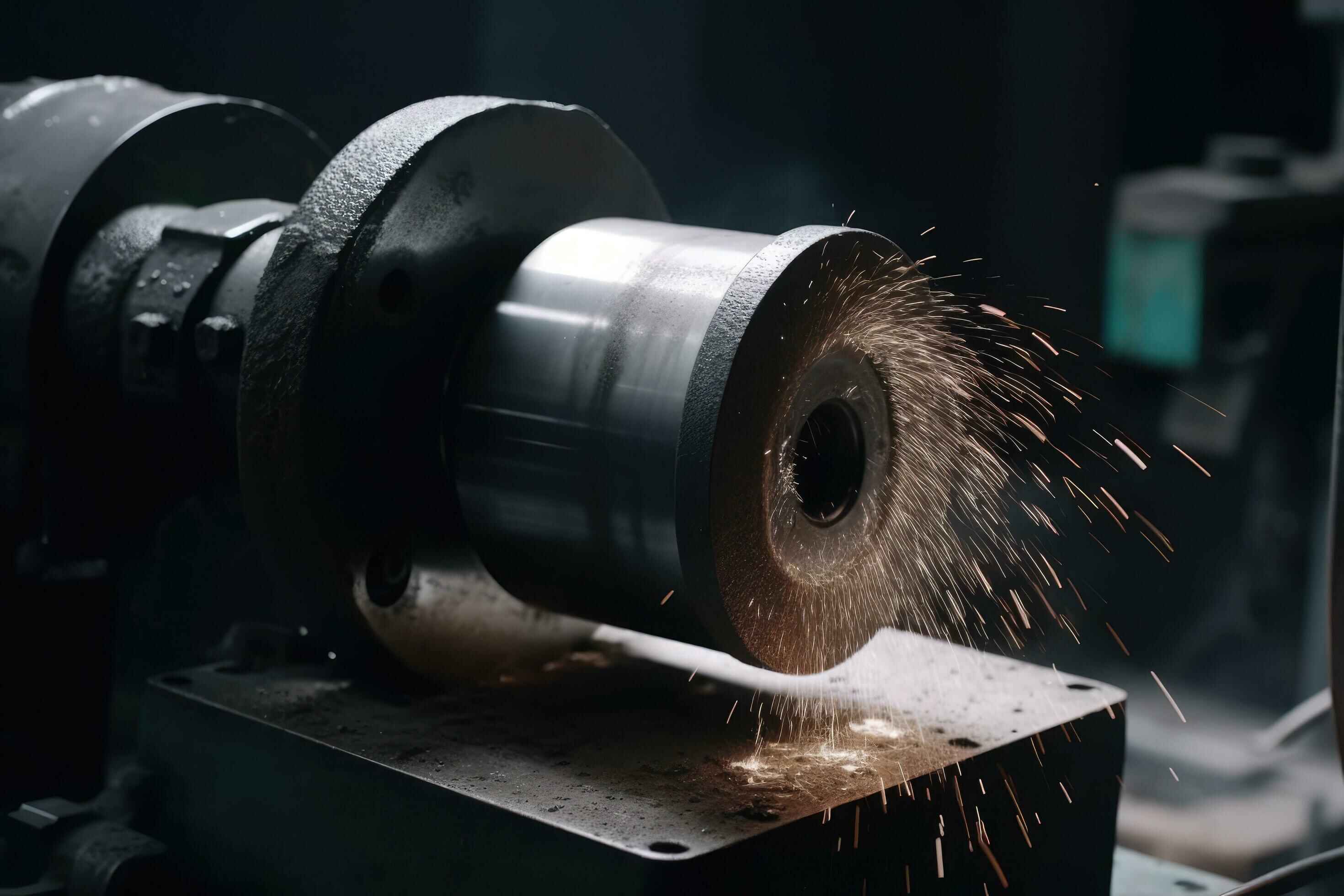
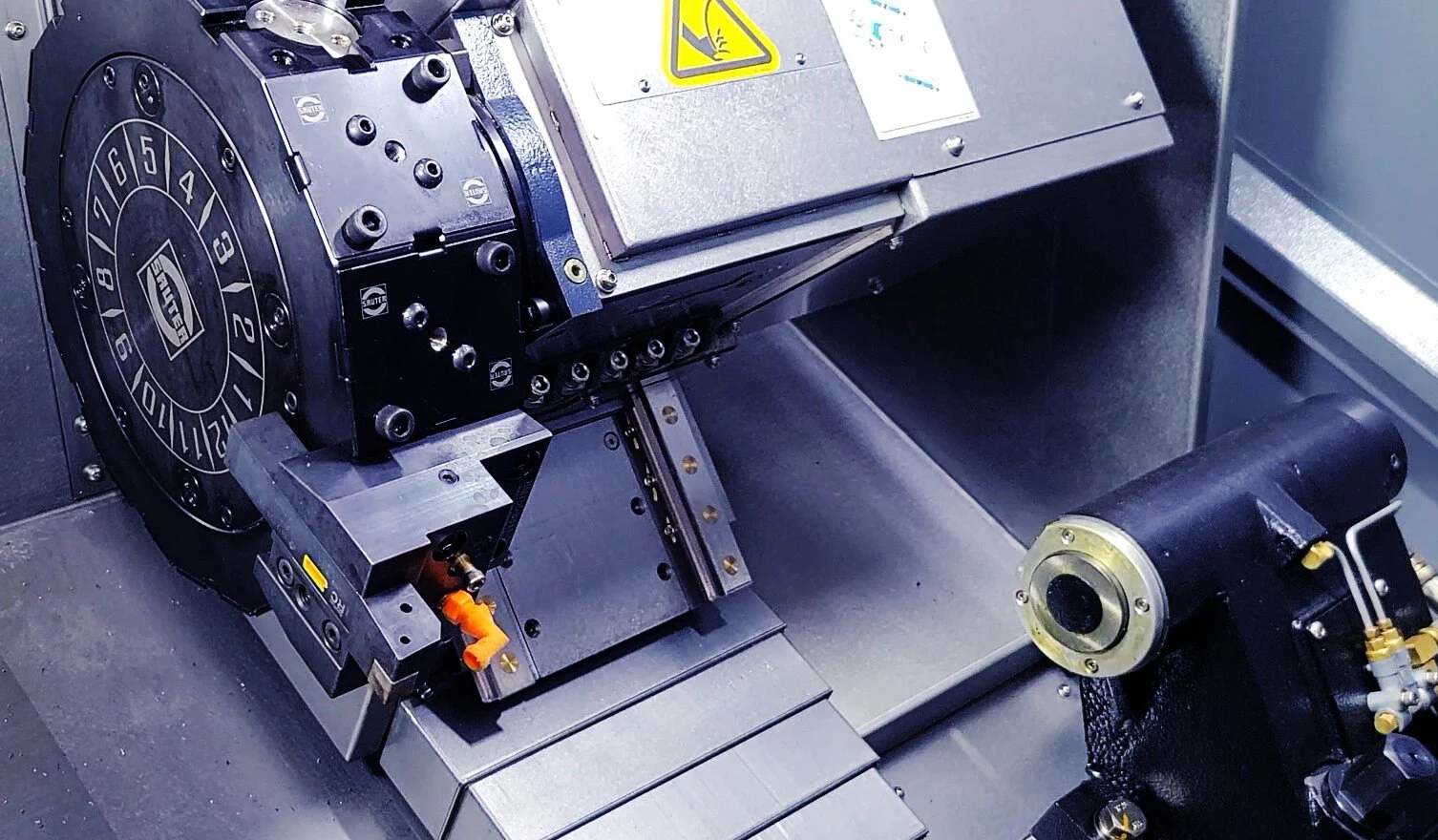
  • Subtractive Manufacturing (CNC machining): material is removed from a solid block to create a part

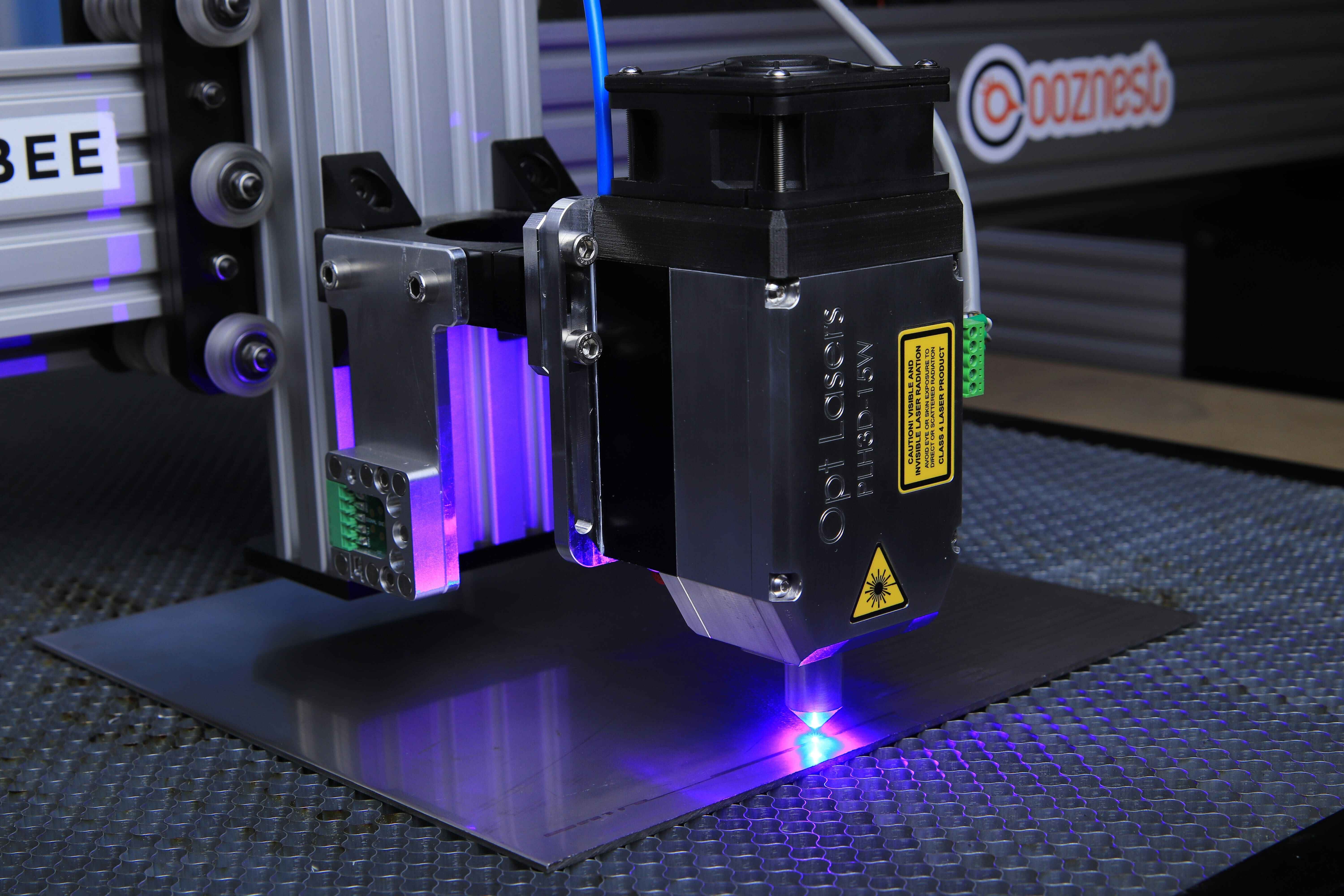
  • Additive Manufacturing (3D printing): material is added layer by layer to build a part

Both have applications, but for industrial and OEM-grade components, subtractive manufacturing is still the preferred choice.

1. Higher Precision and Tighter Tolerances

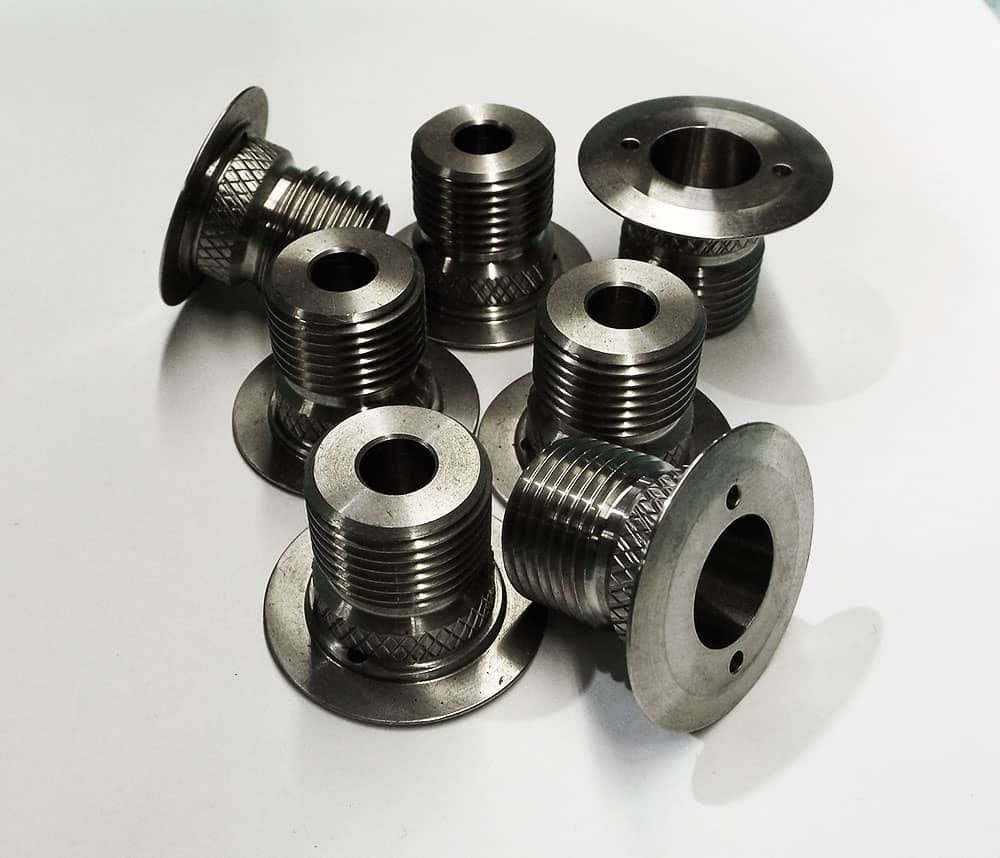
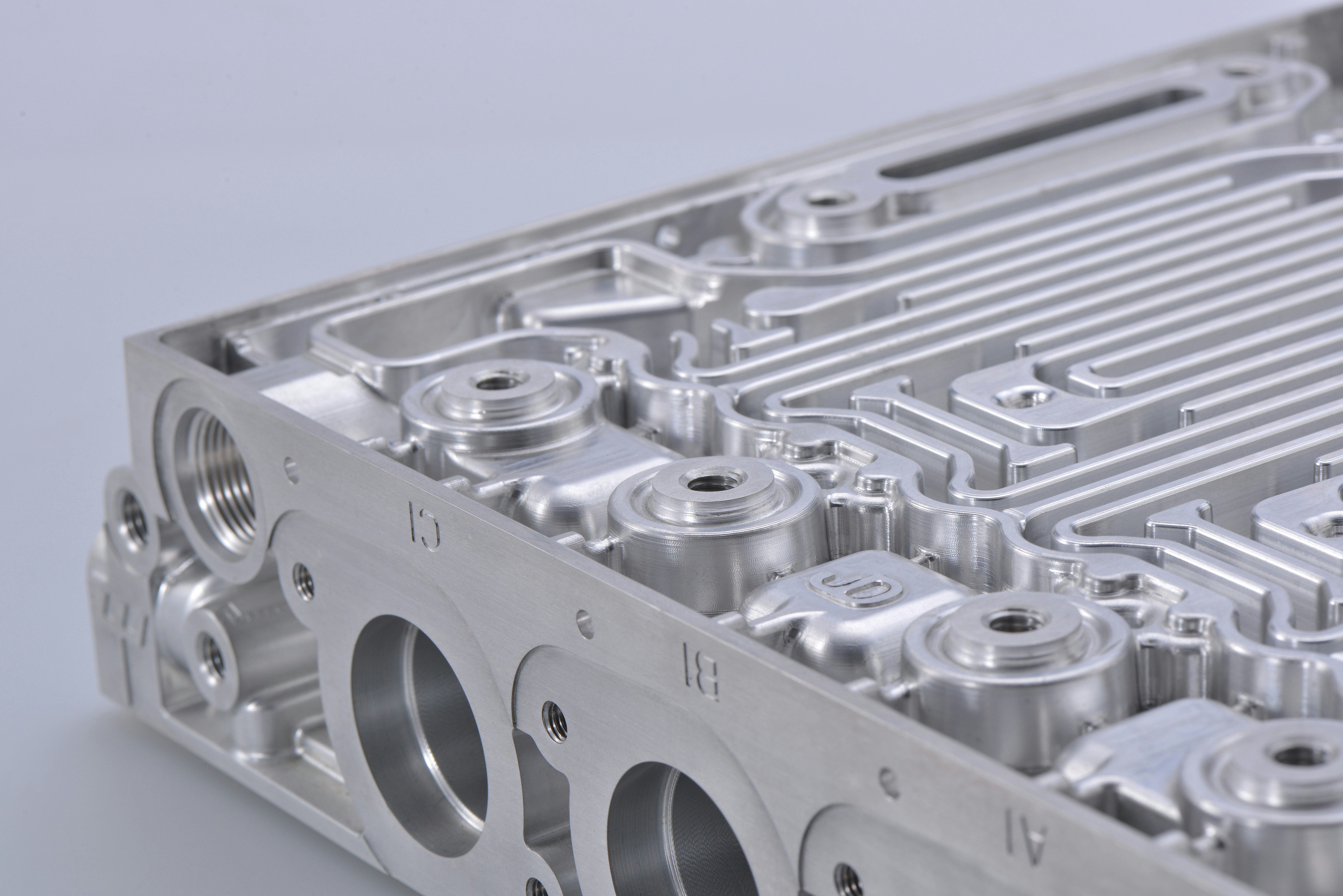
CNC machining offers extremely tight tolerances and high dimensional accuracy, which is critical for engineering and OEM parts.

Subtractive manufacturing ensures:

  • Consistent accuracy across batches

  • Smooth surface finishes

  • Reliable fit in assemblies

Additive manufacturing often struggles with tight tolerances without post-processing.

2. Better Material Strength

In CNC machining, components are made from solid material blocks, preserving the original material strength.

This results in:

  • Stronger structural integrity

  • Better load-bearing capability

  • Higher durability under stress

In contrast, additive manufacturing can produce layered structures, which may have weaker directional strength.

3. Superior Surface Finish

CNC machining produces parts with:

  • Smooth finishes

  • Minimal post-processing requirements

  • Better aesthetic and functional quality

Additive parts often require sanding, polishing, or coating to achieve similar results.

4. Material Flexibility

Subtractive manufacturing supports a wide range of industrial materials, including:

  • Aluminum

  • Stainless steel

  • Mild steel

  • Brass

This makes CNC machining highly suitable for OEM and industrial applications where material performance is critical.

5. Ideal for High-Volume Production

CNC machining is highly efficient for:

  • Repeat production

  • Large batch manufacturing

  • Long-term OEM supply chains

Once programmed, it delivers consistent output with minimal variation.

6. Limitations of Additive Manufacturing in Industry

While additive manufacturing is useful for prototyping, it has limitations:

  • Lower mechanical strength in many applications

  • Limited material options

  • Slower production for large batches

  • Higher cost per unit for mass manufacturing

7. Where CNC Machining is Preferred

Subtractive manufacturing is widely used in:

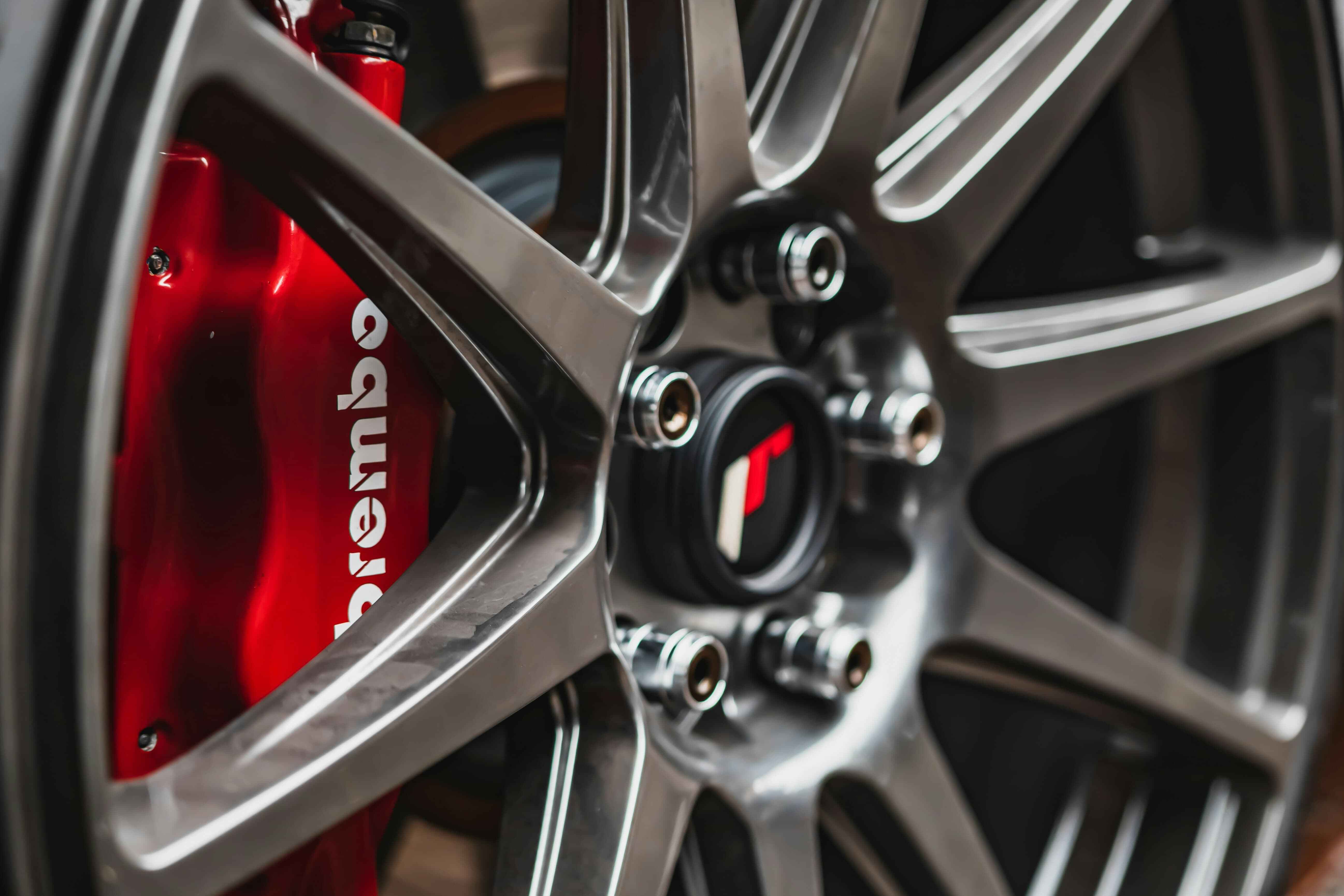
  • Automotive components

  • Industrial machinery

  • Engineering assemblies

  • Aerospace-grade parts

  • Custom OEM production

Conclusion

While additive manufacturing is useful for prototyping and design validation, subtractive manufacturing remains the industry standard for precision, strength, and scalability.

For OEM manufacturers, CNC machining offers unmatched reliability in producing high-quality, production-ready components.

At Micrometal, we focus on high-precision CNC machining solutions that deliver consistency, durability, and performance for industrial applications.

Call to Action

Share your drawings or requirements with us to get high-precision CNC machined components tailored to your needs.
Ready to take action?

Get in touch to discuss your machining needs and project goals. Let’s build smarter, high-precision components for your business.

Close-up of a dark green leaf showing its textured surface and central vein against a muted background.
Smiling young woman with long hair standing against a dark green background, holding a finger to her chin.
Close-up of a dark green leaf showing its textured surface and central vein against a muted background.
A smiling woman with her arms crossed, standing against a dark green background. She has long, dark hair.
Close-up of a dark green leaf showing its textured surface and central vein against a muted background.
Smiling young man with short hair poses against a dark background, wearing a green button-up shirt.
Close-up of a tree stump showing growth rings and a textured brown wood surface.
A smiling young man with crossed arms, wearing a plaid shirt and white t-shirt, poses against a dark background.
Close-up of a tree stump showing growth rings and a textured brown wood surface.

Ready to take action?

Get in touch to discuss your machining needs and project goals. Let’s build smarter, high-precision components for your business.

Close-up of a dark green leaf showing its textured surface and central vein against a muted background.
Smiling young woman with long hair standing against a dark green background, holding a finger to her chin.
Close-up of a dark green leaf showing its textured surface and central vein against a muted background.
A smiling woman with her arms crossed, standing against a dark green background. She has long, dark hair.
Close-up of a dark green leaf showing its textured surface and central vein against a muted background.
Smiling young man with short hair poses against a dark background, wearing a green button-up shirt.
Close-up of a tree stump showing growth rings and a textured brown wood surface.
A smiling young man with crossed arms, wearing a plaid shirt and white t-shirt, poses against a dark background.
Close-up of a tree stump showing growth rings and a textured brown wood surface.

Ready to take action?

Get in touch to discuss your machining needs and project goals. Let’s build smarter, high-precision components for your business.

Close-up of a dark green leaf showing its textured surface and central vein against a muted background.
Smiling young woman with long hair standing against a dark green background, holding a finger to her chin.
Close-up of a dark green leaf showing its textured surface and central vein against a muted background.
A smiling woman with her arms crossed, standing against a dark green background. She has long, dark hair.
Close-up of a dark green leaf showing its textured surface and central vein against a muted background.
Smiling young man with short hair poses against a dark background, wearing a green button-up shirt.
Close-up of a tree stump showing growth rings and a textured brown wood surface.
A smiling young man with crossed arms, wearing a plaid shirt and white t-shirt, poses against a dark background.
Close-up of a tree stump showing growth rings and a textured brown wood surface.